
Environmental, Social and Governance (ESG) considerations are now a core component of organisational strategy, risk management and reporting. Regulators, investors, customers and communities increasingly expect organisations to demonstrate credible ESG practices supported by robust governance, controls and assurance. Internal audit functions are uniquely positioned to provide independent and objective assurance over ESG risks, processes and disclosures.
This practical training program is designed to help internal auditors understand ESG concepts and apply them effectively within an internal audit context. The program focuses on translating ESG theory into practical internal audit activities, including risk identification, scoping, controls assessment, testing and reporting.
Session 1 Topics:
- Introduction to ESG
- Changing ESG landscape over time
- Gaining assurance
- Role of internal audit
- Introduction into climate risk (E), modern slavery risk (S), and responsible sourcing (G)
- Risk identification
- Understanding the organisation
- Risk identification group exercise
Session 1 Learning outcomes:
- Holistic understanding of the concept of ESG, and why it is important
- Gaining an understanding how ESG has become more applicable and appropriate over time, seeking unified standards
- Gain an understanding of the design and monitoring of processes that support ESG objectives
- Articulating that internal audit has a critical role to play in the ESG space
- Practical application of three key risks and mitigations for tangible examples relevant to internal audit
- Linking risk management best practice to ESG
- Learn how to assess your organisation’s approach to sustainability
- Practical application in groups and presentation of ideas
Session 2 Topics:
- Introduction to reporting frameworks
- Understanding legislation
- Introduction to materiality assessments
- International Standards and Materiality
- Sustainability Reporting Auditing
- Deep dive into climate risk (TCFD) and modern slavery risk (MSA)
- How to develop an internal audit scope
- Exercise – develop audit procedures (climate risk, modern slavery risk and responsible sourcing)
- Exercise – develop an observation, risk and recommendation
- Wider internal audit considerations
Session 2 Learning outcomes:
- Understanding the purposes of the reporting frameworks
- Thought process around the impacts on internal audit
- General understanding of materiality
- General understanding of the frameworks, what this means, and its application (eg showing that “materiality” for finance and ESG is becoming more aligned)
- ESG scoping and application of internal audit skills to this subject matter
- Better understanding of each area
- Theory component of constructing a scope
- Applying procedures to test scoped requirements
- Application of internal audit activities on ESG
Meet your facilitators:
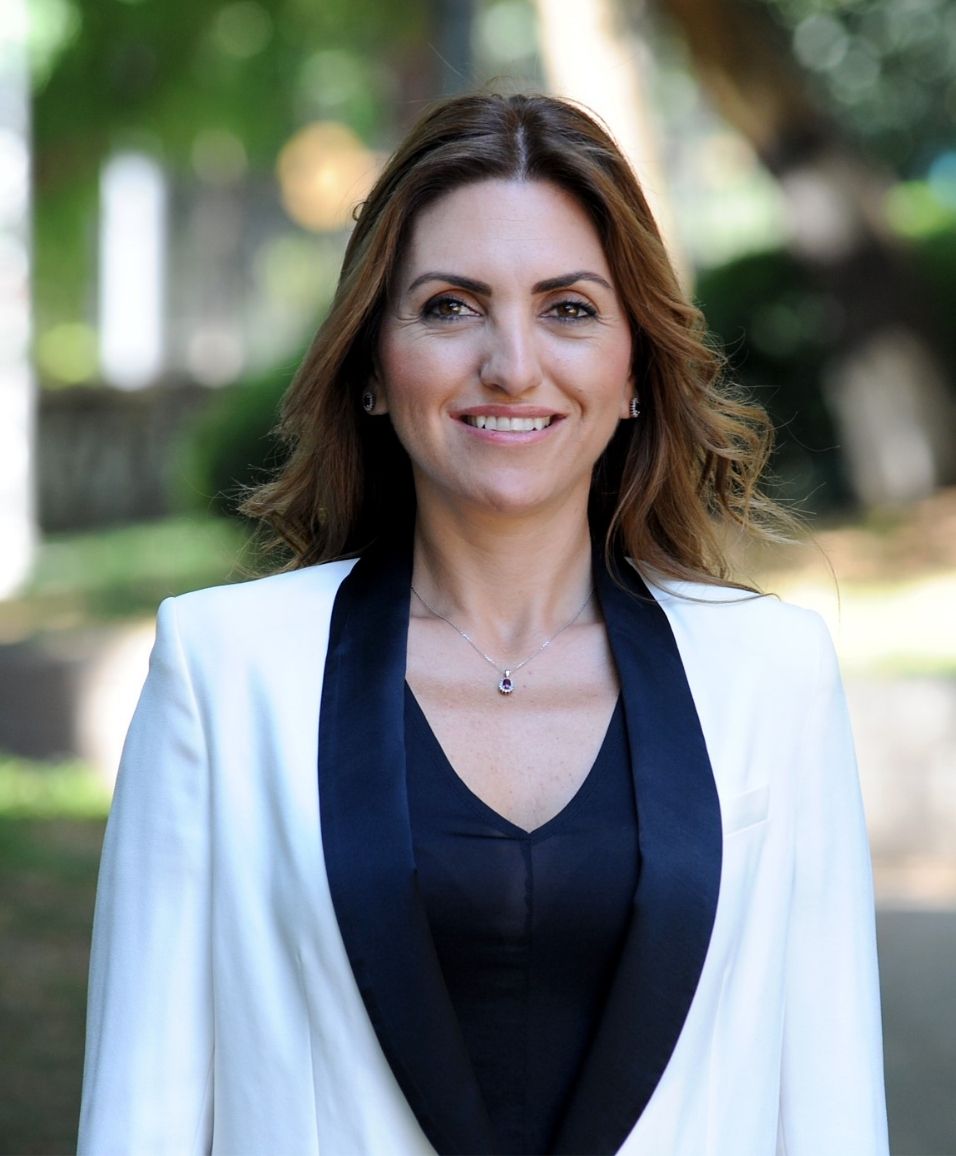
Isil Uysun PMIIA, CCSA, CGAP, CIA, CRMA, Partner, ERM CVS
Isil is a Partner with ERM CVS with extensive experience in internal audit, corporate governance, ESG and certification. With over 20 years of working experience both in Turkey and Australia, Isil specialises in risk assurance areas focusing on internal audit, controls, risk, and compliance. Isil is currently a Partner in ERM CVS APAC, focusing on assurance services particularly around certification to international sustainability standards like IRMA, ASI, Copper Mark and ISO as well as providing assurance for voluntary and mandatory sustainability reporting criteria. In her previous role as a partner in PwC, she was the Internal Audit Services Leader and the CAE of PwC Turkey and she was involved in establishment and leading the Certification, Compliance and Training team in PwC Australia that provided range of services including ISO 9001, 14001, 45001, 27001 certifications, as well as certifications related to Food Safety, HACCP, NDIS, SMETA and TAPA in addition to the in-house or public ISO trainings.

Alan Dayeh, Partner, Sustainability Strategy & Financial Services, ERM
Alan is Partner, Sustainability Strategy & Financial Services, ERM based in Sydney. He oversees the firm’s integrated advisory solutions in corporate responsibility and sustainability, including environmental, social and governance risk. With over 25 years of industry and professional services experience, he takes a pragmatic approach to integrating sustainability strategies and risk management into organisations. He works with investors to strengthen their chosen ESG integration and reporting approaches.